Unleashing the Dark: A Deep Dive into Sinister Mind
In the vast landscape of digital design and print media, typography serves as more than just a vehicle for text; it is an emotional conduit. It sets the tone before a single word is read. When a project demands an atmosphere of dread, mystery, or intense horror, standard sans-serif or serif fonts often fall short. This is where Sinister Mind steps in, offering a visual language that speaks directly to the subconscious fears of the audience. But beyond its immediate aesthetic impact, what makes this typeface truly valuable for creators, business owners, and professionals looking to make a statement?
The Anatomy of Fear: Understanding Sinister Mind
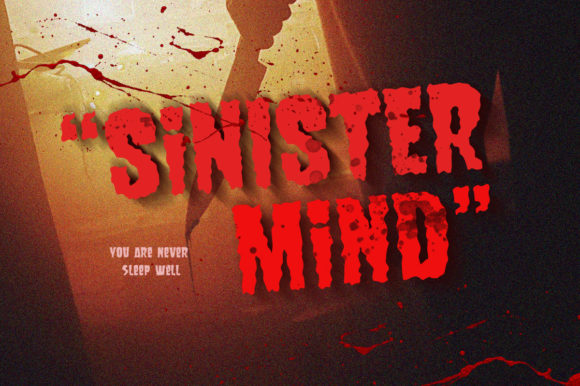
Sinister Mind is not merely a font; it is a deliberate distortion of the familiar. Designed with an eye-catching presence, it captures the essence of the creepy and the unsettling. The character of this typeface is defined by irregularities that mimic the chaos of a fractured psyche or the jagged edges of a horror movie poster. Unlike traditional fonts that strive for uniformity and readability above all else, Sinister Mind prioritizes mood.
The design features sharp angles, uneven spacing, and textures that suggest decay or unease. These characteristics are not accidental but are engineered to evoke a specific psychological response. When a viewer encounters this font, their brain registers a subtle signal of danger or intrigue. This makes it an ideal choice for projects that need to stand out in a crowded marketplace. Whether you are designing a logo for a haunted attraction or creating a book cover for a thriller novel, the visual weight of Sinister Mind ensures your message is felt, not just read.
Why Horror Fonts Matter in Modern Design
To understand the utility of Sinister Mind, one must first appreciate the role of genre-specific typography. In the film industry, the title sequence is often the first interaction a viewer has with a story's reality. A standout font can elevate a B-movie concept into a cult classic or simply ensure that a trailer grabs attention within the first three seconds. Sinister Mind provides that necessary edge, allowing filmmakers and graphic designers to instantly communicate the genre without relying on imagery alone.
However, the application extends far beyond the silver screen. The human desire for the macabre is a constant undercurrent in popular culture, and this font taps into that vein effectively. It transforms mundane elements into something memorable. By integrating such a distinct typeface, creators can infuse ordinary objects with a narrative depth that invites exploration.
Beyond the Screen: Practical Applications for Creators
While the association with horror is strong, the versatility of Sinister Mind allows it to be applied in various contexts where a "standout" factor is required. Its unique aesthetic can be repurposed for simple forms that require a touch of edginess or artistic flair. Let us explore how different professionals might leverage this tool in their daily workflows.
- Event Invitations: For themed parties, Halloween events, or immersive theater experiences, standard invitations lack the necessary atmosphere. Sinister Mind can turn a simple paper invite into a piece of art that sets the stage for the event before guests even arrive.
- Product Packaging and Labels: In the beverage industry, particularly craft beers or specialty coffees, brands often seek to differentiate themselves. Applying Sinister Mind to labels can create a bold, rebellious brand identity that appeals to niche audiences who value uniqueness over conformity.
- Magazines and Books: Cover design is critical for sales. A novel, especially in the suspense or horror genres, benefits immensely from a title treatment that promises a thrilling ride. Similarly, magazine headlines designed to shock or provoke thought can utilize this font to break through the clutter of newsstands and digital feeds.
- Greetings and Cards: While perhaps unexpected for a greeting card, there is a growing market for alternative holiday cards or humorous greeting messages that lean into the dark side. Sinister Mind adds a layer of wit and personality to these communications.
- Advertising Campaigns: Advertisers constantly fight for attention. Using a font that disrupts the visual norm can stop a user from scrolling past an ad. Whether for a limited-edition product launch or a provocative social media campaign, the font acts as a visual hook.
Evaluating Suitability: Strengths and Considerations
Before committing to Sinister Mind for a project, it is essential to weigh its strengths against potential limitations. No single typeface is a universal solution, and understanding its constraints is key to using it effectively.
The Power of Distinction
The primary strength of this font is its memorability. In a sea of Helvetica, Arial, and Roboto, Sinister Mind creates a visual anchor. It is impossible to ignore. For branding purposes, this means higher recall rates. If a logo is designed with this typeface, the consumer is likely to remember the brand name long after seeing the image once. This is particularly valuable for startups or artists trying to carve out a specific identity in a saturated market.
The Readability Challenge
However, the very features that make Sinister Mind striking also pose challenges for body text. The irregular shapes and decorative elements can reduce legibility when used in long paragraphs. Therefore, the most effective strategy is to use it as a display font. It should be reserved for headlines, titles, logos, and short phrases where impact is paramount. Attempting to set an entire article or a block of instructional text in this font would likely frustrate the reader and obscure the message.
Contextual Appropriateness
Another consideration is the context of the project. While Sinister Mind is perfect for a horror movie poster, it may clash with the serious, trustworthy tone required for a financial institution or a medical clinic. The font carries a heavy emotional load; if the message does not align with the emotion of the typeface, the communication fails. Professionals must ask themselves: Does my brand want to appear mysterious, edgy, or terrifying? If the answer is no, then this font should be avoided.
Real-World Scenarios: Putting Theory into Practice
Imagine a scenario where a local theater group is producing a play based on a classic gothic novel. They need promotional materials that capture the essence of the story. By utilizing Sinister Mind for the main poster headline, they immediately establish the genre. The font's texture suggests old parchment and shadows, drawing the audience in. Conversely, consider a small bakery launching a "Spooky Sweets" line for Halloween. They could use the font for the product labels, creating a fun, thematic connection that encourages customers to share photos on social media.
For authors, the implications are equally profound. A self-published novelist can achieve a professional look comparable to major publishers by selecting the right typography. Using Sinister Mind for the book title while pairing it with a highly readable serif for the synopsis creates a balanced design that respects both form and function.
Guidance for Evaluation
When deciding whether to integrate Sinister Mind into your workflow, follow these practical steps:
- Define the Goal: Are you trying to scare, intrigue, or simply stand out? If yes, proceed.
- Test at Scale: View the font in its intended size. A font that looks good at 72 pixels may become illegible at 10 pixels. Ensure it works across various mediums, from large billboards to mobile screens.
- Pair Wisely: Combine Sinister Mind with clean, neutral fonts for supporting text. This contrast highlights the display font while maintaining overall readability.
- Consider the Audience: Will your target demographic appreciate the aesthetic, or will they find it off-putting? Understanding your user base is crucial for success.
Conclusion
Sinister Mind represents more than just a collection of characters; it is a powerful tool for storytelling and branding. Its ability to convey a sense of the eerie and the unknown makes it indispensable for creators working in the horror genre, but its versatility extends to any field requiring a bold, unconventional voice. From movie posters and book covers to packaging and advertising, this typeface offers a unique opportunity to leave a lasting impression.
By understanding its strengths and respecting its limitations, professionals can harness the power of Sinister Mind to create designs that are not only visually stunning but also emotionally resonant. Whether you are a seasoned designer or a business owner looking to refresh your brand, exploring the capabilities of this eye-catching typeface is a step toward creating work that truly stands out in the minds of your audience.