Broken Drive: Integrating a Bold Display Font into Professional Design Workflows
In the landscape of digital and print design, the selection of typography is rarely a mere aesthetic choice; it is a strategic decision that dictates the rhythm of information delivery. Broken Drive stands out as a cool and bold, rough textured display font that serves as a powerful tool for professionals seeking to command attention. Its unique character allows it to fit seamlessly into workflows ranging from initial concept development to final print production. For entrepreneurs, marketers, and creative directors, understanding how to integrate this typeface effectively can transform a standard project into a standout visual asset.
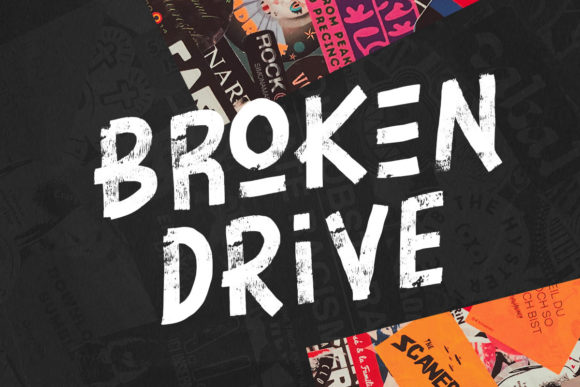
The essence of Broken Drive lies in its raw, unpolished aesthetic. Unlike clean sans-serifs designed for body text or serif fonts intended for editorial elegance, Broken Drive is engineered for impact. It possesses a rough texture that mimics the wear and tear of industrial materials or weathered signage. This specific quality makes it an ideal candidate for posters, flyers, and large-format prints where immediate visual engagement is required. When deployed correctly within a design process, it acts not just as a letterform but as a structural element that conveys grit, authenticity, and urgency.
Strategic Placement in the Creative Process
Integrating Broken Drive into a workflow requires more than simply dragging and dropping text onto a canvas. It demands a thoughtful approach to planning and execution. The font excels during the conceptual phase of a project, particularly when establishing a mood board or defining the visual identity of a campaign. Because of its bold nature, it should be utilized sparingly to maintain its potency. Overuse can dilute the message, whereas strategic placement amplifies the core theme.
Consider a scenario involving a small business owner launching a new product line. During the initial brainstorming session, the team might decide on a rugged, industrial theme to reflect durability. Here, Broken Drive becomes the primary anchor for headlines and key messaging. It interacts with other assets by providing a high-contrast backdrop against which softer elements, such as product photography or detailed specifications, can shine. The rough texture adds depth to flat layouts, creating a tactile feel that translates well from screen to paper.
In the context of event marketing, the font's application shifts slightly but remains equally critical. For concert posters, festival flyers, or sports promotions, Broken Drive offers the necessary visual weight to cut through the noise of crowded social media feeds and physical bulletin boards. The "broken" aspect of the design suggests movement and energy, making it perfect for dynamic events. However, the designer must ensure that legibility is not sacrificed for style. While the font is bold, complex backgrounds can sometimes obscure the rough edges, requiring careful layering and contrast adjustments during the layout phase.
Compatibility and Asset Management
One of the most practical considerations when working with specialized fonts like Broken Drive is compatibility across different platforms and devices. Before committing to a design, professionals must verify that the font file is accessible on all systems involved in the production pipeline. Whether the output is destined for a local printer, a web banner, or a mobile app interface, the integrity of the font must remain intact.
- File Format Verification: Ensure you have the correct file formats (typically OTF or TTF) installed on your system. Check for ligatures and special characters if your copy involves non-standard punctuation.
- Vector vs. Raster: Because Broken Drive features a rough texture, converting it to vector paths early in the process can help maintain sharpness at various scales. This is crucial for large-scale printing where pixelation would ruin the intended effect.
- Color Interaction: The texture of the font often interacts differently with solid colors versus gradients. Test how the "rough" edges hold up against dark backgrounds, light backgrounds, and full-bleed images to ensure consistency.
Organizing these assets efficiently is part of a streamlined workflow. Keeping a dedicated library for display fonts allows creators to quickly access Broken Drive without searching through cluttered folders. This organizational step saves valuable time during tight deadlines, ensuring that the focus remains on the creative strategy rather than technical hurdles.
Practical Implementation for Print and Digital Media
The transition from digital design to physical print is where Broken Drive truly demonstrates its versatility. Print mediums demand higher resolution and consideration of ink behavior. The rough texture of the font can sometimes suffer if the printing process does not support fine detail. Therefore, quality control measures are essential before sending files to press.
For posters and flyers, the goal is to create a hierarchy that guides the viewer's eye. Broken Drive should typically occupy the top tier of this hierarchy. Use it for the main title or the call to action. Subheadings and body text should be set in a complementary, highly readable typeface. This contrast ensures that the bold statement captures attention while the supporting information remains clear. If the entire piece is set in Broken Drive, the result may become visually overwhelming, reducing the effectiveness of the communication.
In digital environments, the font's performance depends on the screen density and loading times. While it looks stunning on high-resolution displays, embedding the font directly into web pages requires optimization. Using CSS @font-face rules with proper formatting can ensure that the rough texture renders correctly on both desktop and mobile devices. However, for long-term use and brand consistency, designers should consider whether the font aligns with their overall brand guidelines. A font this distinctive might not suit every page of a website but could be perfect for landing pages, email headers, or promotional banners.
Freelancers and agencies often face the challenge of adapting client preferences. When a client requests a "bold" look, Broken Drive offers a tangible solution that goes beyond generic bold weights. It provides a narrative element that speaks to resilience and strength. By explaining the psychological impact of the font to clients, designers can justify its inclusion in the project scope. This collaborative approach strengthens the relationship between the creator and the stakeholder, ensuring that the final output meets both artistic and commercial goals.
Optimizing for Long-Term Usability
Sustainability in design also applies to the longevity of the tools we use. Broken Drive is designed to be a timeless addition to a designer's toolkit. Its rough texture avoids the trap of fleeting trends, allowing it to remain relevant in campaigns that aim for a classic yet edgy feel. To maximize its utility, users should experiment with various effects such as drop shadows, outlines, or blending modes. These techniques can enhance the texture without altering the fundamental shape of the letters.
Efficiency is gained when the font is used as part of a pre-defined template system. For recurring projects like weekly newsletters or monthly reports, having a master template with Broken Drive integrated into the header section can significantly reduce setup time. This consistency builds brand recognition over time. Furthermore, training team members on the proper usage of the font prevents misuse. Establishing clear guidelines on minimum size, spacing, and background contrast ensures that the font retains its intended impact regardless of who is executing the design.
Ultimately, the value of Broken Drive lies in its ability to convey a specific attitude. It is not merely a collection of characters but a voice within the design ecosystem. By treating it as a strategic partner in the workflow rather than a decorative afterthought, professionals can unlock its endless possibilities. Whether used for a single poster or as part of a comprehensive branding overhaul, the font brings a level of character that plain typefaces cannot achieve.
As you move forward with your next project, consider the role that typography plays in your narrative. Explore the potential of Broken Drive to add depth and personality to your work. Its cool and bold presence is ready to elevate any design, provided it is implemented with care and intention. By focusing on the practical aspects of integration—compatibility, organization, and strategic placement—you can ensure that this rough textured display font delivers the stunning results it promises. Embrace the process, test the boundaries, and let the font guide your creative vision toward a more impactful outcome.