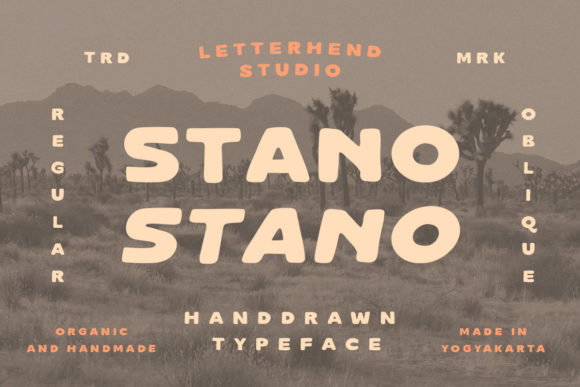
Stano: A Vintage Display Font for Bold Design Statements
In the crowded landscape of digital and print design, finding a typeface that commands attention without sacrificing legibility is a persistent challenge. Many designers struggle with fonts that feel either too generic or overly decorative to the point of unreadability. Stano emerges as a compelling solution for those seeking a bold, vintage-styled display font. It occupies a specific niche where retro aesthetics meet modern functionality, offering a distinct character that can elevate posters, flyers, and branding materials.
This evaluation explores the practical application of Stano, analyzing its visual characteristics, usability in professional workflows, and the specific scenarios where it delivers the most value. Whether you are a freelancer working on a client deadline or an educator creating engaging course materials, understanding the strengths and limitations of this typeface is essential for making informed design decisions.
Defining the Stano Aesthetic
Stano is not merely a collection of letters; it is a deliberate stylistic choice rooted in mid-century graphic traditions. The font's defining feature is its bold weight combined with a vintage flair that evokes the era of classic cinema posters and old-school advertising. Unlike many display fonts that rely on excessive ornamentation, Stano maintains a clean structure while delivering high impact.
The "bold" classification of this font is significant. In typography, bold weights are often reserved for headlines and large-scale applications because they provide the necessary visual hierarchy. Stano utilizes thick strokes and generous negative space to ensure that even at smaller sizes, the characters remain distinct. This balance allows the font to function effectively in both massive poster formats and compact flyer layouts.
The vintage styling is achieved through subtle variations in stroke width and terminal shapes that mimic hand-lettered signs from the past. However, the underlying geometry remains consistent enough to prevent the text from looking messy or unprofessional. This duality—retro soul with modern discipline—is what makes Stano worth considering for contemporary projects that aim to evoke nostalgia without feeling dated.
Performance in Real-World Applications
When evaluating a display font, the primary metric is how well it performs in actual use cases. Stano has been tested across various mediums, from screen-based social media graphics to high-resolution offset printing. In these environments, the font demonstrates a high level of reliability.
- Paper and Print: The heavy ink coverage required by Stano's bold style translates well to physical media. On flyers and event posters, the font ensures that key information stands out against busy backgrounds. The vintage texture adds a tactile quality to the design, making the printed piece feel more substantial and premium.
- Digital Screens: While display fonts are often optimized for print, Stano holds up surprisingly well on digital interfaces. Its clear letterforms prevent blurring or pixelation issues common with thinner or highly stylized fonts on lower-resolution screens. This makes it suitable for website headers, email newsletters, and digital advertisements.
- Branding Consistency: For small business owners establishing a brand identity, consistency is key. Stano provides a strong anchor for logos and taglines. Its unique character helps brands differentiate themselves in a market saturated with sans-serif and serif options.
However, the effectiveness of Stano depends heavily on context. It is not a universal solution for all design needs. Its strength lies in short bursts of text rather than long-form content. Using Stano for body copy would likely result in reader fatigue due to the visual weight of the characters.
Usability and Workflow Integration
For professionals and creators, the technical aspects of a font are just as important as its aesthetic appeal. Stano integrates smoothly into standard design software suites like Adobe Illustrator, Photoshop, and InDesign. Installation is straightforward, and the file structure supports the typical workflow requirements of modern graphic design.
The versatility of Stano extends to its pairing capabilities. Because it is such a dominant typeface, it requires careful selection of companion fonts. Typically, a simple, neutral sans-serif works best for supporting text, allowing Stano to take center stage. This combination creates a balanced composition where the headline grabs attention and the body text guides the reader through the details.
Practical Recommendation: When using Stano, limit your color palette to complement its vintage nature. High-contrast combinations, such as cream text on deep navy or black text on mustard yellow, often yield the most authentic results. Avoid over-complicating the background, as the font itself carries significant visual noise.
There are some limitations to consider regarding flexibility. Stano does not offer an extensive range of weights or styles (such as italic or light variants) that might be needed for complex typographic hierarchies within a single document. Designers must work within the constraints of the available glyphs and plan their layout accordingly. If a project requires a wide variety of font weights to establish subtle distinctions between headings and subheadings, Stano may require supplementation with another typeface family.
Ideal Use Cases and Target Audiences
Who benefits most from incorporating Stano into their design toolkit? The answer lies in the specific goals of the project. The font is particularly well-suited for industries and roles that prioritize visual impact and emotional connection.
- Event Promoters and Marketers: For concerts, festivals, or local events, Stano is an excellent choice for posters and flyers. The bold, vintage look suggests excitement and authenticity, which resonates with audiences looking for experiences rather than just products.
- Freelance Graphic Designers: Freelancers often need to deliver high-quality assets quickly. Stano offers a ready-made aesthetic that reduces the time spent on custom lettering or illustration. It allows designers to produce professional-looking work that feels curated and intentional.
- Small Business Owners: Entrepreneurs in the food and beverage, craft, or lifestyle sectors can use Stano to build a cohesive brand identity. A coffee shop menu, a boutique store sign, or a product label designed with Stano can convey a sense of heritage and craftsmanship.
- Educators and Publishers: Teachers and content creators who produce worksheets, presentation slides, or educational materials can use Stano to make learning resources more engaging. The font captures attention without being distracting, provided it is used sparingly for titles and key concepts.
Conversely, Stano may not be the right fit for corporate legal documents, medical reports, or tech startups aiming for a minimalist, futuristic image. In these contexts, the vintage vibe could undermine the message of precision and innovation. Understanding the audience is critical; if the target demographic values tradition and personality, Stano is a strong asset. If they prioritize neutrality and speed, a more conventional typeface is preferable.
Long-Term Value and Strategic Considerations
Investing in a font involves considering its longevity. Trends in design change rapidly, but certain vintage styles possess a timeless quality. Stano taps into the enduring popularity of retro aesthetics, which have seen a resurgence in recent years and show no signs of fading completely. This suggests that designs created with Stano will remain relevant longer than those relying on fleeting trends.
The font also offers good value in terms of versatility within its niche. While it cannot replace a full typeface family, it serves as a powerful tool for specific tasks. For a designer building a portfolio, having a distinctive font like Stano can help showcase a unique eye for detail and style. It signals to clients that the designer understands how to use typography to convey mood and tone.
Reliability is another factor in long-term value. As a display font, Stano is less prone to rendering errors than complex script or handwritten fonts. This consistency ensures that the final output matches the designer's vision, reducing the risk of costly reprints or revisions. For publishers and businesses, this reliability translates to cost savings and smoother project management.
Final Thoughts on Implementation
Stano represents a solid option for designers seeking a bold, vintage display font that balances style with substance. Its ability to perform well in both print and digital environments makes it a versatile addition to any creative arsenal. However, like any design tool, its success depends on thoughtful application.
To get the most out of Stano, treat it as a headline specialist. Use it to create moments of visual interest and to set the tone for your project. Pair it wisely with complementary fonts, respect its bold presence by giving it adequate breathing room, and ensure that the context aligns with the vintage aesthetic. When these conditions are met, Stano can transform ordinary layouts into striking communications that capture attention and leave a lasting impression.
Ultimately, the decision to use Stano should be driven by the specific needs of your project and the story you wish to tell. For those willing to embrace its retro charm and bold character, the possibilities are indeed endless.