Retrophile: The Ultimate Vintage Font for Urban Design
Design is rarely about following a single rulebook; it is often about finding the right voice to match the message. In an era where digital noise drowns out authentic expression, there is a distinct hunger for typography that feels lived-in, textured, and real. This is where Retrophile steps in. It is not merely another typeface on your list; it is a tool designed to inject an urban, street art vibe into projects that demand character and attitude.
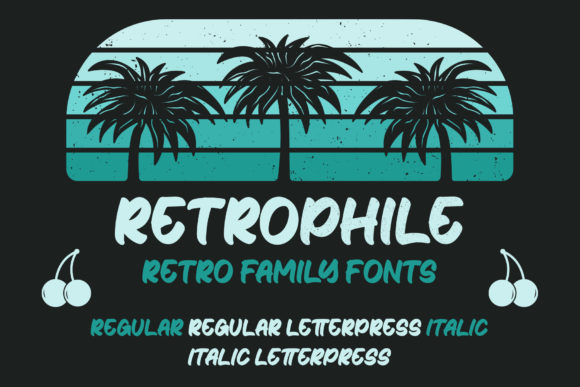
As a cool, brushed, and vintage-styled display font, Retrophile captures the raw energy of city walls, hand-painted signage, and the gritty textures of the past. It bridges the gap between modern design precision and the imperfect beauty of analog creation. Whether you are a graphic designer looking to elevate a poster, a blogger seeking a unique header style, or a small business owner wanting to stand out on social media, this font offers a versatile foundation for creative storytelling.
Understanding the Aesthetic of Retrophile
To truly utilize Retrophile, one must understand what makes it distinct. Unlike clean, geometric sans-serifs that prioritize neutrality, Retrophile embraces imperfection. The "brushed" quality refers to the subtle variations in stroke width and texture that mimic the movement of a paintbrush or a marker. These micro-details give the letters a sense of motion and human touch, which is crucial for building an emotional connection with your audience.
The "vintage" aspect does not mean old-fashioned in a negative sense. Instead, it evokes nostalgia without feeling dated. It taps into the visual language of the 70s, 80s, and 90s—decades known for bold experimentation in print and street culture. When you use Retrophile, you are borrowing authority from those eras. You are signaling that your content has history, depth, and a story behind it. This makes it particularly effective for brands that want to appear established yet edgy, or for projects that aim to celebrate heritage while maintaining contemporary relevance.
The Psychology of Urban Typography
Why do we respond so strongly to fonts like Retrophile? The answer lies in the psychology of urban environments. Cities are filled with layers of communication: faded graffiti, worn-out stickers, hand-lettered chalkboards, and weathered posters. Our brains have learned to associate these visual cues with authenticity, rebellion, and community. By incorporating Retrophile into your designs, you leverage these subconscious associations.
This font works best when you want to break the monotony of standard corporate layouts. It introduces a sense of urgency and excitement. However, it requires a strategic approach. Because it is a display font, it is powerful but specific. It is not intended for long blocks of body text, where readability can suffer due to its decorative nature. Instead, it shines as a headline, a logo element, or a key visual anchor.
Creative Applications Across Industries
The versatility of Retrophile allows it to adapt to a wide range of contexts. Its strength lies in its ability to transform the tone of a project instantly. Here is how different professionals can harness its potential to achieve their specific goals.
- Event Marketing and Posters: For music festivals, underground art shows, or local markets, Retrophile is an ideal choice. It conveys the energy of the event before the attendee even reads the details. Pairing it with high-contrast colors like neon green against black, or burnt orange on off-white paper, creates a striking visual hierarchy that demands attention.
- Brand Identity for Creative Agencies: If you run a marketing agency, a design studio, or a coffee shop, using Retrophile in your logo can set you apart from competitors who rely on generic templates. It suggests a brand that values craftsmanship and has a personality. Just ensure you pair it with a simpler, more legible secondary font for your taglines and contact information to maintain balance.
- Social Media Content: In the scrolling economy of Instagram and TikTok, static images need to stop the thumb. Headers created with Retrophile perform exceptionally well for quotes, announcements, or promotional graphics. The textured look adds a layer of sophistication that flat vector graphics often lack, making your feed look curated and intentional.
- Educational Materials and Workshops: Educators and workshop leaders can use this font to make learning materials feel less rigid. A syllabus or a workshop flyer titled with Retrophile invites students in with a sense of creativity and exploration rather than strict academic formality.
Practical Strategies for Effective Usage
While the aesthetic appeal of Retrophile is undeniable, successful implementation requires discipline. Using a display font effectively is an exercise in restraint and contrast. To keep your results clear, organized, and professional, consider the following practical guidelines.
Mastering Contrast and Hierarchy
The most common mistake designers make with decorative fonts is letting them dominate the entire layout. To avoid visual clutter, always pair Retrophile with a clean, neutral companion. A simple sans-serif or a classic serif works best here. The goal is to let Retrophile be the star of the show while the supporting cast ensures the message is readable. For example, use Retrophile for the main title and a clean, thin sans-serif for the date, location, and fine print.
This contrast also helps in establishing hierarchy. Your eye should naturally gravitate to the Retrophile text first because of its weight and texture, then move to the functional information. This flow guides the viewer through the information logically, preventing confusion.
Context Matters: Digital vs. Print
The way Retrophile behaves changes depending on the medium. On screen, the brushed edges might render differently depending on the resolution and the device. Ensure that your kerning (the spacing between characters) is adjusted correctly, as display fonts can sometimes look too tight or too loose if left on default settings. For web use, consider adding a slight text-shadow or a background overlay to enhance readability against busy images.
In print, the texture of Retrophile truly comes alive. The ink absorption on paper can add another layer of grit that mimics the original intent of the design. When printing flyers or merchandise, choose a paper stock that complements the vintage feel. Recycled paper or cardstock with a rough texture will amplify the urban vibe, whereas glossy, smooth paper might make it look slightly out of place.
Adapting for Specific Audiences
Different audiences respond to different visual languages. Understanding your target demographic is key to leveraging Retrophile effectively.
For a younger audience aged 18 to 30, who are often drawn to street culture and independent brands, Retrophile resonates deeply. It speaks their visual language of self-expression and non-conformity. In this context, you can push the design further, using larger sizes, overlapping elements, and vibrant color palettes.
However, if your audience includes older demographics or corporate clients, the application needs to be more refined. Here, Retrophile should be used sparingly. Perhaps only for a single word emphasis or a logo mark, surrounded by ample white space. This approach maintains the "cool" factor without alienating viewers who prefer a more traditional aesthetic. The key is to use the font's character to signal innovation, not chaos.
Maintaining Consistency and Originality
One of the challenges of using popular fonts is avoiding a generic look. To keep your work original, experiment with custom treatments. Try applying texture overlays to the letters themselves, such as grunge effects or paper grain. You can also manipulate the color gradients within the text to create a metallic or weathered appearance. These small touches demonstrate a level of care and customization that elevates the design from a template to a bespoke piece.
Consistency is equally important. If you decide to use Retrophile for your branding, apply it consistently across all touchpoints. Whether it is your website header, email signatures, or product packaging, the font should act as a unifying thread. This repetition builds recognition and trust. Inconsistent use of a strong font can dilute its impact and confuse the viewer about your brand identity.
Final Thoughts on Creative Expression
Retrophile is more than just a collection of glyphs; it is a catalyst for creativity. It encourages designers and creators to think outside the box of standard digital aesthetics and embrace the messy, beautiful reality of physical design. By understanding its strengths and limitations, you can wield this font to create work that is not only visually stunning but also meaningful and effective.
Whether you are launching a new startup, documenting a creative journey, or simply trying to make a statement, Retrophile offers a pathway to express yourself with confidence. It reminds us that good design is not about perfection, but about connection. So, open your design software, select Retrophile, and start building something that feels real.