Bisetron: A Comprehensive Evaluation for Modern Design Projects
In the landscape of digital and print typography, selecting the right typeface is a critical decision that influences readability, brand identity, and overall user experience. Bisetron has emerged as a distinct option within this competitive field, characterized by its cool, bold, and robotic aesthetic. Unlike traditional serif or humanist sans-serif fonts, Bisetron offers a specific visual language that appeals to designers seeking a futuristic or industrial look. This evaluation explores the functional characteristics of the font, its practical applications, and the tradeoffs involved in its implementation.
Understanding the Visual Identity of Bisetron
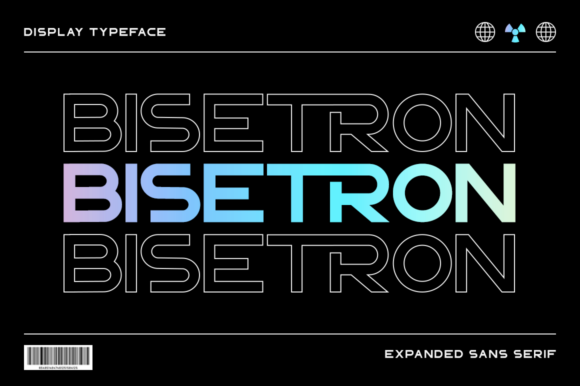
Bisetron is defined by its geometric precision and mechanical appearance. The design language draws heavily from the concept of robotics, utilizing sharp angles, uniform stroke weights, and a rigid structure that mimics the output of machinery. When applied to a project, the font immediately establishes a tone of high technology, efficiency, and modernity. The "cool" descriptor associated with Bisetron refers to its ability to convey a detached, professional, and forward-thinking atmosphere without relying on emotional warmth.
The bold nature of the typeface makes it particularly effective for headlines, logos, and display text where immediate impact is required. However, its structural rigidity means it behaves differently than standard body text fonts. Understanding these core attributes is essential before integrating the font into a workflow. It is not merely a stylistic choice but a functional tool that dictates the hierarchy and mood of the content it supports.
Strategic Applications and Project Fit
One of the primary reasons designers evaluate Bisetron is its versatility across a wide range of creative sectors. Its robotic character aligns naturally with industries that prioritize innovation, engineering, and digital solutions. For example, technology startups often utilize this font to signal cutting-edge capabilities. Similarly, gaming interfaces, cyberpunk-themed branding, and science fiction media find a strong match in the font's aesthetic.
- Tech and Software: Bisetron works well for software dashboards, app icons, and SaaS landing pages where a clean, structured interface is desired.
- Industrial Design: The font complements portfolios showcasing manufacturing, automotive engineering, or architectural blueprints.
- Event Branding: For conferences focused on AI, robotics, or future technologies, the typeface provides an authoritative backdrop.
The font's ability to stand out is one of its most significant benefits. In crowded marketplaces where many brands rely on generic sans-serif options, Bisetron offers a distinctive visual hook. It forces the viewer to pause and engage with the message due to its unique silhouette. This distinctiveness can be leveraged to create memorable brand assets, provided the context remains appropriate.
Critical Considerations and Tradeoffs
While Bisetron offers strong visual appeal, it is not a universal solution. Designers must carefully consider the limitations inherent in its style. The most significant tradeoff involves legibility at smaller sizes. Because the font relies on heavy strokes and geometric shapes, reducing the scale can cause characters to merge or become difficult to read. Consequently, Bisetron is generally unsuitable for long-form body copy, such as articles, manuals, or dense paragraphs.
Another consideration is the potential for visual fatigue. The aggressive, robotic nature of the typeface can feel overwhelming if overused. If a designer applies Bisetron to every element on a page, the result may appear chaotic rather than cohesive. Effective use requires a balanced approach, often pairing the font with more neutral, highly readable typefaces for supporting text.
Furthermore, the "robotic" theme carries cultural connotations. Using this font in contexts related to healthcare, education, or community services might create a sense of coldness or alienation. The font communicates efficiency, but it does not inherently communicate empathy. Designers must ensure that the emotional resonance of the font aligns with the intended message of the project.
Decision-Making Framework for Selection
To determine whether Bisetron is the right choice for a specific project, stakeholders should evaluate their goals against the font's capabilities. The following criteria can help guide the selection process:
- Readability Requirements: Does the project require extensive reading? If yes, Bisetron should likely be restricted to headings only.
- Brand Tone: Does the brand want to appear friendly and approachable, or precise and technical? Bisetron serves the latter better.
- Medium of Display: Is the content primarily viewed on large screens, billboards, or posters? These environments favor the bold, high-impact nature of Bisetron.
- Target Audience: Will the audience respond positively to a futuristic aesthetic, or will they prefer a more traditional look?
By answering these questions objectively, designers can avoid the common pitfall of choosing a font based solely on novelty. The goal is to enhance communication, not just decorate it.
Evaluating Alternatives and Complementary Fonts
If Bisetron does not fully meet the needs of a project, there are several alternatives worth considering. For projects requiring a similar futuristic vibe but with improved legibility for body text, geometric sans-serifs like Montserrat or Arial Black (in lighter weights) might be more suitable. These fonts maintain a modern feel while offering greater flexibility in layout.
For users who appreciate the robotic aspect of Bisetron but need a more versatile weight range, exploring variable fonts with industrial themes could be beneficial. Additionally, if the project demands a softer interpretation of technology, fonts with slightly rounded edges or humanist features might bridge the gap between machine aesthetics and human connection.
It is also important to consider licensing and compatibility. Before finalizing any decision, verify that the font family includes the necessary weights and styles (such as italics or different widths) required for the design system. A lack of supporting characters or limited weight options can restrict the font's utility in complex layouts.
Conclusion: Aligning Font Choice with Objectives
Bisetron represents a powerful tool for designers looking to inject a bold, robotic personality into their work. Its strength lies in its ability to command attention and convey a sense of advanced technology. However, its effectiveness is contingent upon strategic application. It excels in display roles and specific industry contexts but falls short when used for general body text or in emotionally sensitive environments.
Ultimately, the decision to use Bisetron should be driven by the specific requirements of the project rather than trend-following. When matched correctly with complementary typography and appropriate content, it can significantly elevate the visual impact of a design. By weighing the benefits against the limitations, designers can make informed choices that serve both the client's goals and the end-user's experience.