Bulky Book: A Comprehensive Evaluation of the Bold Display Typeface
In the competitive landscape of graphic design and visual communication, selecting the right typography is often the most critical decision a designer makes. The choice between a subtle serif and a stark sans-serif can define the entire tone of a project. Among the myriad of options available, Bulky Book has emerged as a distinctive typeface known for its substantial weight and futuristic aesthetic. This article provides an objective analysis of Bulky Book, exploring its characteristics, practical applications, and the specific scenarios where it serves as an optimal choice versus when alternative fonts might be more appropriate.
Understanding the Character of Bulky Book
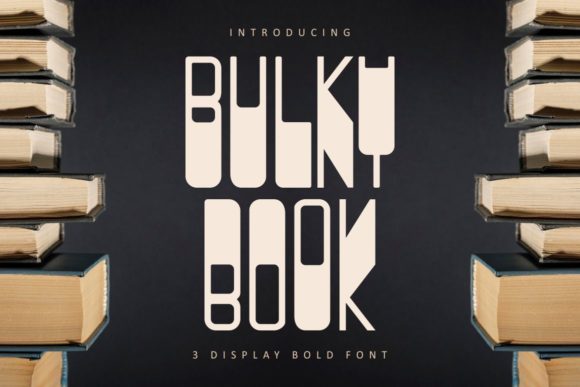
Bulky Book is classified as a display font, a category reserved for headlines, titles, and large-scale text rather than body copy. Its defining characteristic is its "bold" nature; the letterforms are thick, heavy, and possess a significant presence on the page. Unlike traditional book fonts designed for high legibility in long-form reading, Bulky Book prioritizes impact and visual rhythm.
The typeface is described as futuristic and cool, suggesting geometric influences and modern construction. The name itself implies a sense of volume and substance. When rendered at large sizes, the letters appear solid and architectural. This structural integrity allows the font to command attention immediately. It is not a font that whispers; it shouts with a clean, unapologetic voice. The design philosophy behind such a typeface focuses on creating a strong visual anchor within a composition, ensuring that the message is absorbed quickly by the viewer.
Key Visual Attributes
- Weight: Consistently heavy strokes that create a dense texture.
- Style: Modern, futuristic, and geometric without being overly sterile.
- Versatility: Capable of functioning across various media, from digital screens to physical print.
- Tone: Confident, energetic, and contemporary.
Strategic Applications in Design
Designers often seek out Bulky Book for projects that require immediate engagement. The font's ability to look stunning on food menus, posters, flyers, and other print materials makes it a versatile tool for branding and marketing. However, understanding why it works in these contexts requires a deeper look into the psychology of typography.
In the context of food menus, the boldness of Bulky Book can evoke feelings of abundance and flavor. Heavy fonts often subconsciously suggest richness, making them suitable for burgers, steakhouses, or craft breweries. The futuristic edge adds a layer of modernity, appealing to younger demographics who value innovation in their dining experiences.
For posters and flyers, the primary goal is usually to stop the viewer in their tracks. In a cluttered environment filled with competing messages, a standard thin font may get lost. Bulky Book cuts through this noise. Its large x-height and thick terminals ensure readability even from a distance. This makes it particularly effective for event promotions, concert posters, and street-level advertising where passersby have only seconds to register the information.
Evaluating Benefits and Tradeoffs
While Bulky Book offers distinct advantages, no single typeface is universally perfect. A balanced evaluation requires acknowledging both its strengths and its limitations.
Primary Benefits
- High Visibility: The sheer mass of the letterforms ensures maximum visibility, which is crucial for short-term messaging.
- Brand Identity: Using a unique, bold font helps establish a memorable brand identity. It signals confidence and stability.
- Aesthetic Flexibility: Despite its heaviness, the futuristic style allows it to blend well with minimalist layouts or vibrant, colorful backgrounds.
- Print Quality: The robust lines hold up well in print, resisting the bleeding or loss of detail that can occur with finer weights.
Potential Drawbacks and Considerations
The very features that make Bulky Book effective also limit its scope. Because it is a display font, it is generally unsuitable for body text. Reading long paragraphs set in a font this heavy causes eye strain and fatigue due to the high ink density. Furthermore, the futuristic aesthetic may clash with brands aiming for a vintage, classic, or organic feel. If a client wants a design that feels warm and traditional, Bulky Book might introduce a jarring, cold element that undermines the intended mood.
Another consideration is legibility at small sizes. While impressive at poster scale, reducing Bulky Book to 8-point size for fine print or captions can result in muddled letterforms where the internal counters close up, making characters difficult to distinguish.
Situational Fit: When to Choose Bulky Book
Decision-making regarding typography should always begin with the project goals. Bulky Book is a strong fit for situations where:
- Impact is the Priority: Projects like album covers, festival banners, or limited-time offer advertisements need to grab attention instantly.
- Modern Branding is Required: Tech startups, gaming studios, or urban fashion labels often benefit from the sleek, futuristic vibe of the typeface.
- Short-Form Content: Headlines, pull quotes, and call-to-action buttons where brevity is key.
- Visual Hierarchy Needs Reinforcement: When a design needs a clear distinction between the main message and supporting details, Bulky Book provides a stark contrast.
When to Consider Alternatives
Conversely, there are scenarios where Bulky Book may not align with the project's needs. Designers should consider alternatives if:
- Readability is Paramount: For books, websites with extensive content, or legal documents, a neutral sans-serif or serif font is superior for prolonged reading.
- The Tone is Subtle: Luxury brands, healthcare providers, or educational institutions often prefer understated elegance over bold assertiveness.
- Multi-Language Support is Needed: Some display fonts lack the comprehensive character sets required for international projects. If the project involves non-Latin scripts, a more versatile family is necessary.
- Minimalist Aesthetics are Desired: If the design philosophy relies on white space and delicate lines, a heavy font can overwhelm the composition.
Practical Decision-Making Insights
To determine whether Bulky Book aligns with your specific goals, designers should conduct a "context test." Imagine the font applied to the final medium. Does it enhance the message, or does it distract from it? It is also advisable to pair Bulky Book with a complementary typeface. A common strategy is to use Bulky Book for headlines and pair it with a highly legible, lighter sans-serif for body text. This combination leverages the strength of the display font while maintaining accessibility.
Furthermore, testing the font at actual production sizes is essential. Digital mockups can sometimes exaggerate the clarity of a font. Printing a sample flyer or viewing the menu at full scale will reveal how the ink behaves and whether the futuristic details remain crisp. This practical step prevents costly errors in the final output.
Conclusion
Bulky Book stands out as a powerful tool in the typographic toolkit, offering a bold, futuristic, and cool aesthetic that excels in high-impact environments. Its ability to transform food menus, posters, and flyers into striking visual statements makes it a valuable asset for designers seeking to convey energy and modernity. However, its effectiveness is contingent upon the specific context of the project. By carefully weighing its benefits against its limitations, and by considering the audience's reading experience, designers can make informed decisions that leverage the full potential of this dynamic typeface. Whether used as a standalone statement or paired with softer elements, Bulky Book offers endless possibilities for creative exploration, provided it is deployed with strategic intent.