Fairy Cottage Font Evaluation
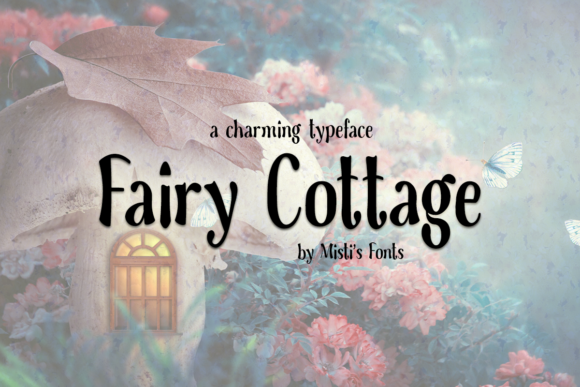
Selecting the right typography is a critical step in any design project, as it sets the visual tone and influences how an audience perceives the content. Fairy Cottage is a display typeface designed to evoke a sense of whimsy, nostalgia, and softness. It is categorized as a charming display font, meaning it is intended for headlines, titles, and short phrases rather than long-form body text. This evaluation explores the characteristics of Fairy Cottage, its ideal applications, potential limitations, and factors to consider before integrating it into your workflow.
Understanding the Design Aesthetic
The primary characteristic of Fairy Cottage is its playful and decorative nature. The letterforms often feature rounded edges, varying stroke widths, and subtle flourishes that mimic hand-lettering or storybook illustrations. Unlike geometric sans-serifs or strict serif fonts, this typeface prioritizes personality over neutrality. It is engineered to create an atmosphere of magic and innocence.
When evaluating this font, designers should note that it belongs to the "display" category. This classification dictates that it is most effective when used at larger sizes where individual character details can be appreciated. At smaller point sizes, the decorative elements may become indistinct or cluttered, reducing legibility. The font's structure suggests a deliberate choice to communicate emotion rather than pure information density.
Ideal Use Cases and Applications
There are specific scenarios where Fairy Cottage aligns perfectly with project goals. Its unique aesthetic makes it a strong candidate for projects targeting children or those aiming to establish a lighthearted brand identity.
- Children's Media: The font is highly suitable for book covers, educational materials, and packaging related to toys or games. The whimsical shapes naturally appeal to younger audiences and complement illustrations found in cartoons or storybooks.
- Gaming Interfaces: For indie developers creating casual mobile games or fantasy-themed adventures, this typeface can enhance the immersive experience without requiring complex custom assets.
- Event Branding: Parties, birthdays, and themed events often require a touch of festivity. Using Fairy Cottage for invitations or banners can instantly convey a celebratory and magical mood.
- Creative Personal Projects: Bloggers, scrapbookers, and crafters looking to add a "lovely touch" to their digital or physical creations will find this font versatile for headers and accents.
Benefits of Selection
Choosing Fairy Cottage offers several practical advantages for specific design contexts. First, it provides immediate thematic clarity. When a viewer sees the font, they understand the genre of the content before reading the words. This reduces cognitive load and helps set expectations quickly.
Secondly, the font serves as a cost-effective alternative to hiring a custom illustrator. While nothing replaces original art, using a high-quality display font can simulate a hand-drawn look, saving time and budget while maintaining a professional finish. Finally, its versatility within the "cute" or "fantasy" niche allows it to pair well with various illustration styles, from watercolor to vector graphics.
Potential Tradeoffs and Limitations
Despite its charm, Fairy Cottage is not a universal solution. There are significant tradeoffs that designers must weigh. The most prominent limitation is legibility in extended text blocks. The decorative nature of the letters can cause eye fatigue when reading paragraphs, making it unsuitable for articles, manuals, or user interface navigation where clarity is paramount.
Another consideration is the risk of appearing dated or overly cutesy. In a market saturated with similar fonts, there is a fine line between "charming" and "unprofessional." If the target audience includes adults seeking a serious or minimalist aesthetic, Fairy Cottage may undermine the credibility of the message. Additionally, licensing restrictions vary by provider; users must verify if the font allows for commercial use, web embedding, or app distribution before finalizing a purchase.
Situations Where Alternatives May Be Preferred
While Fairy Cottage excels in specific niches, other typefaces may be more appropriate depending on the project requirements. If the goal is to maintain a modern, clean, and corporate image, a geometric sans-serif would be a better fit. Similarly, for projects requiring a classic or literary feel, a traditional serif font might offer better readability and gravitas.
Designers should also consider alternatives if the project demands a broader range of weights (e.g., light, regular, bold, black). Some display fonts have limited weight options, which can restrict hierarchy and layout flexibility. If the design system requires extensive typographic variation, a more robust family might be necessary. Furthermore, if the target demographic is international, the stylized forms of Fairy Cottage might interfere with language recognition, whereas a simpler font ensures better cross-cultural communication.
Practical Decision-Making Insights
To determine if Fairy Cottage aligns with your goals, start by defining the emotional response you want to elicit from your audience. Ask yourself: Does the content require a sense of wonder and playfulness? If the answer is yes, this font is a strong contender. However, if the primary goal is clear communication of complex data or instructions, prioritize legibility over style.
It is also advisable to test the font in context. Create mockups that include both the headline and supporting body text. Often, a font looks appealing in isolation but fails when paired with standard body copy. Ensure that the chosen pairing creates a harmonious balance without competing for attention.
Finally, review the technical specifications provided by the font distributor. Check for support of special characters, ligatures, and multilingual glyphs if your project has diverse language needs. Confirming these details early prevents costly revisions later in the production process.
Conclusion
Fairy Cottage is a specialized tool designed to bring a specific kind of warmth and fantasy to visual communications. It is an excellent choice for projects centered around children, entertainment, or creative storytelling. However, its decorative nature limits its utility in formal or text-heavy environments. By carefully weighing the aesthetic benefits against the functional limitations, designers can make informed decisions that enhance their work without compromising usability.